
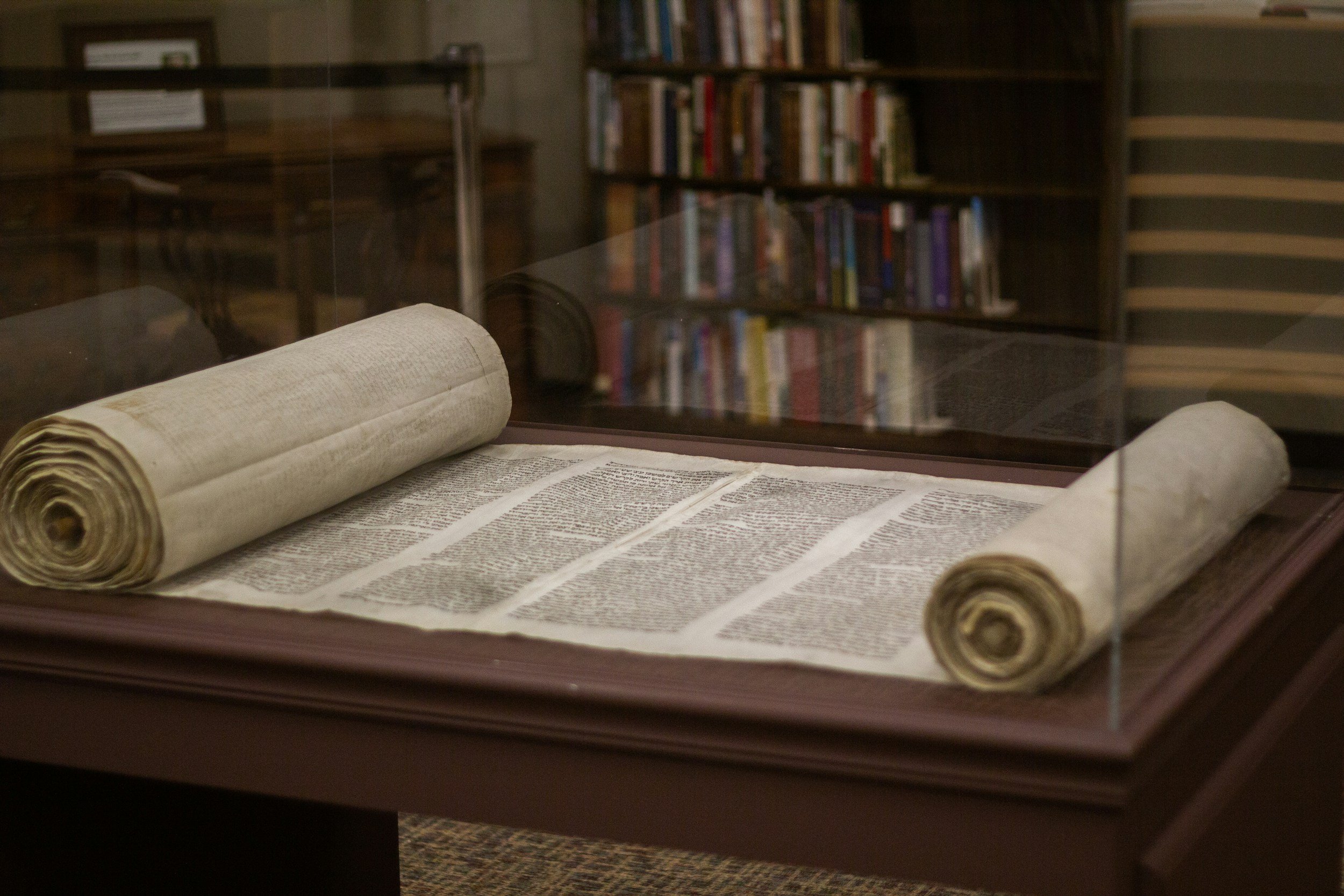
It used to be hard for me not to feel sympathy for the Pharisees in the New Testament. It always seemed that they were doing the best they could, learning from the warnings of the prophets and the mistakes of the past. But as I have been reading through Leviticus, I have begun to see how far they were from what God was offering in the law He gave through Moses.
The laws of cleanness and uncleanness – especially the dietary boundaries and the procedures for evaluating illness or even potentially harmful conditions in homes, such as mold – reveal God’s far-reaching knowledge and His deep, loving care for His people. These laws were not arbitrary. They gently called His people to an attentive, humble acknowledgment that God’s ways are truly higher than our own. God also established a compassionate structure for dealing with sin through sacrifice. The sacrificial system reflects His care, providing a way for His people to confess, be cleansed, and address guilt when they become aware of their sin. God knew that sin, left unaddressed, would fester and burden the heart. The Pharisees treated these compassionate provisions as a standard by which to measure themselves. Instead of responding with grateful humility, they approached the law with a spirit of achievement and self-sufficient pride. In doing so, though they labored to live according to God’s law, they ultimately rejected the Messiah they were waiting for.
Let us not make the same mistake. Instead, let us come reverently and humbly before the God who loves us so deeply that He fulfilled His own law in Christ, giving His Son on the cross so that we might receive His righteousness, the righteousness the Pharisees misunderstood.