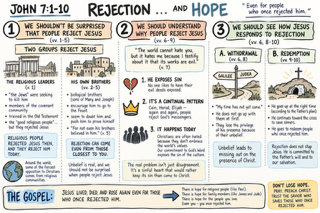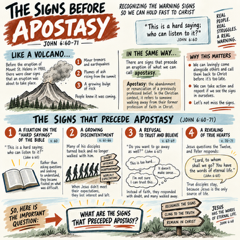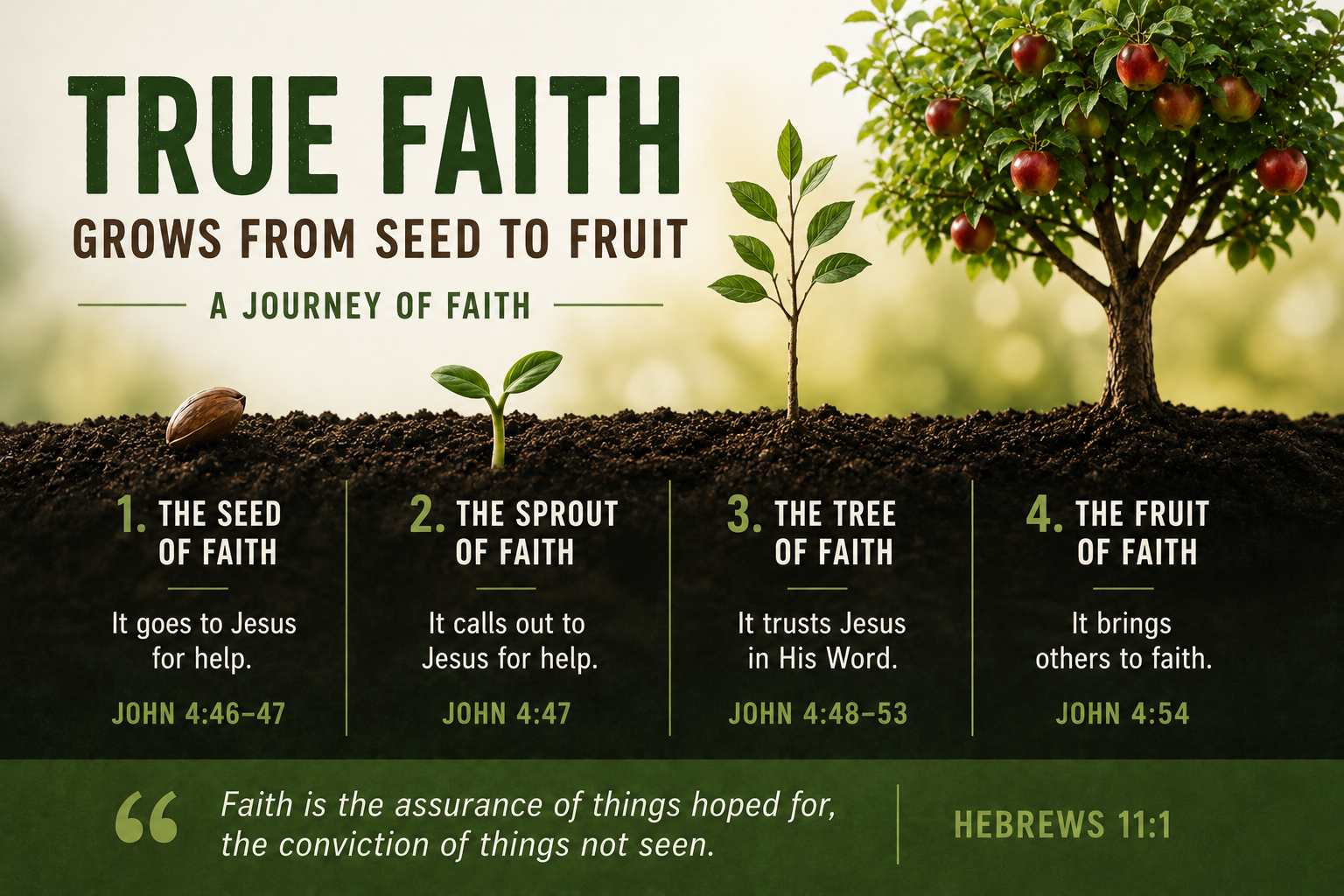

When people hear the Word of God, they respond in different ways. In John 7, some receive Jesus’ teaching with joy, recognizing Him as the Prophet and the Christ. Others reject Him through deceptive arguments and public humiliation, seeking to silence those who are drawn to Him. Yet Nicodemus provides an example of a faith that takes root and begins to bear fruit, as he speaks up for Jesus despite opposition.
Drawing on Jesus’ Parable of the Sower in Mark 4, this sermon challenges us to consider whether our response to the gospel will endure when persecution comes. How should Christians respond to misleading arguments and the fear of public shame? And how can we know that the Word is taking root in our hearts? Ultimately, we are called to trust in Christ, stand firm in His Word, and boldly identify with Him even when doing so comes at a cost.
Sermon Outline
I. Receiving the Word with Joy (John 7:40–43)
Some recognize Jesus as the Prophet; others confess Him as the Christ.
A joyful initial response must be distinguished from a faith that perseveres and bears fruit.
II. Persecution on Account of the Word (John 7:41–49)
A. Physical Violence — The religious leaders seek to arrest Jesus.
B. Deceptive Argumentation — Misleading claims about Jesus’ origins discourage belief.
C. Public Humiliation — The religious leaders use shame and appeals to social status to silence those drawn to Jesus.
Christians must examine arguments carefully and refuse to measure truth by worldly approval.
III. A Faith That Takes Root and Bears Fruit (John 7:50–52)
Nicodemus speaks up for Jesus by appealing to justice.
Although he faces ridicule, he begins to identify himself with Jesus.
His later actions in John 19 reveal a faith that has grown and borne fruit.
True believers are called to stand firm in Christ and identify with Him even amid opposition.
Study Questions
What different responses to Jesus do we see in John 7:40–43? What do these responses reveal about the way people hear the Word of God?
What is the difference between receiving the Word with joy and having a faith that takes root and bears fruit?
What three forms of persecution or opposition to the Word does the sermon identify? Which do you think is most common in our culture today?
How did the religious leaders use biblical knowledge while failing to investigate the truth about Jesus? What warning does this provide for us?
How can Christians respond when they encounter arguments against Christianity on social media, at school, or in the workplace?
How did the religious leaders use public humiliation to discourage belief in Jesus? What are some modern examples of this kind of pressure?
According to 1 Corinthians 1:26–29, why should Christians not be intimidated by the opinions of the powerful, wealthy, or intellectually influential?
How did Nicodemus demonstrate courage in John 7:50–52? What did his actions in John 19:38–42 reveal about the growth of his faith?
What are some practical ways we can help new Christians become rooted in the Word so that they persevere through opposition?
Where might you be tempted to remain silent about Christ because of fear of embarrassment or rejection? How does the gospel encourage you to stand firm?
Key Cross-References
The Word and the Four Soils
Mark 4:1–20 — The Parable of the Sower and the different responses to the Word.
Matthew 13:18–23 — Jesus’ explanation of the soils.
James 1:22–25 — Hearing the Word and putting it into practice.
Christ and the Truth of Scripture
Deuteronomy 18:15–19 — The promised Prophet.
Isaiah 11:1 — The promised offspring of David.
Micah 5:2 — The ruler who would come from Bethlehem.
John 3:1–18 — Nicodemus, the new birth, and salvation through faith in Christ.
Opposition, Deception, and Public Shame
John 7:1, 32, 44 — The hostility of the religious leaders toward Jesus.
1 Corinthians 1:26–29 — God’s wisdom overturns worldly standards of status and power.
2 Corinthians 10:3–5 — Taking thoughts and arguments captive to obey Christ.
1 Peter 3:14–16 — Responding to opposition with courage and gentleness.
Perseverance and Fruitful Faith
John 19:38–42 — Nicodemus helps prepare Jesus’ body for burial.
Colossians 2:6–7 — Being rooted and built up in Christ.
Hebrews 10:35–39 — Persevering in faith rather than shrinking back.
Galatians 5:22–23 — The fruit of the Spirit.
The Gospel Promise
John 3:16 — God’s love and the promise of eternal life through faith in His Son.
Romans 1:16–17 — The gospel as the power of God for salvation.
Main Takeaway
The Word of God calls for more than an initial joyful response. By God’s grace, true faith takes root, perseveres through opposition, and bears fruit in a life that boldly identifies with Jesus Christ.