
Isaiah

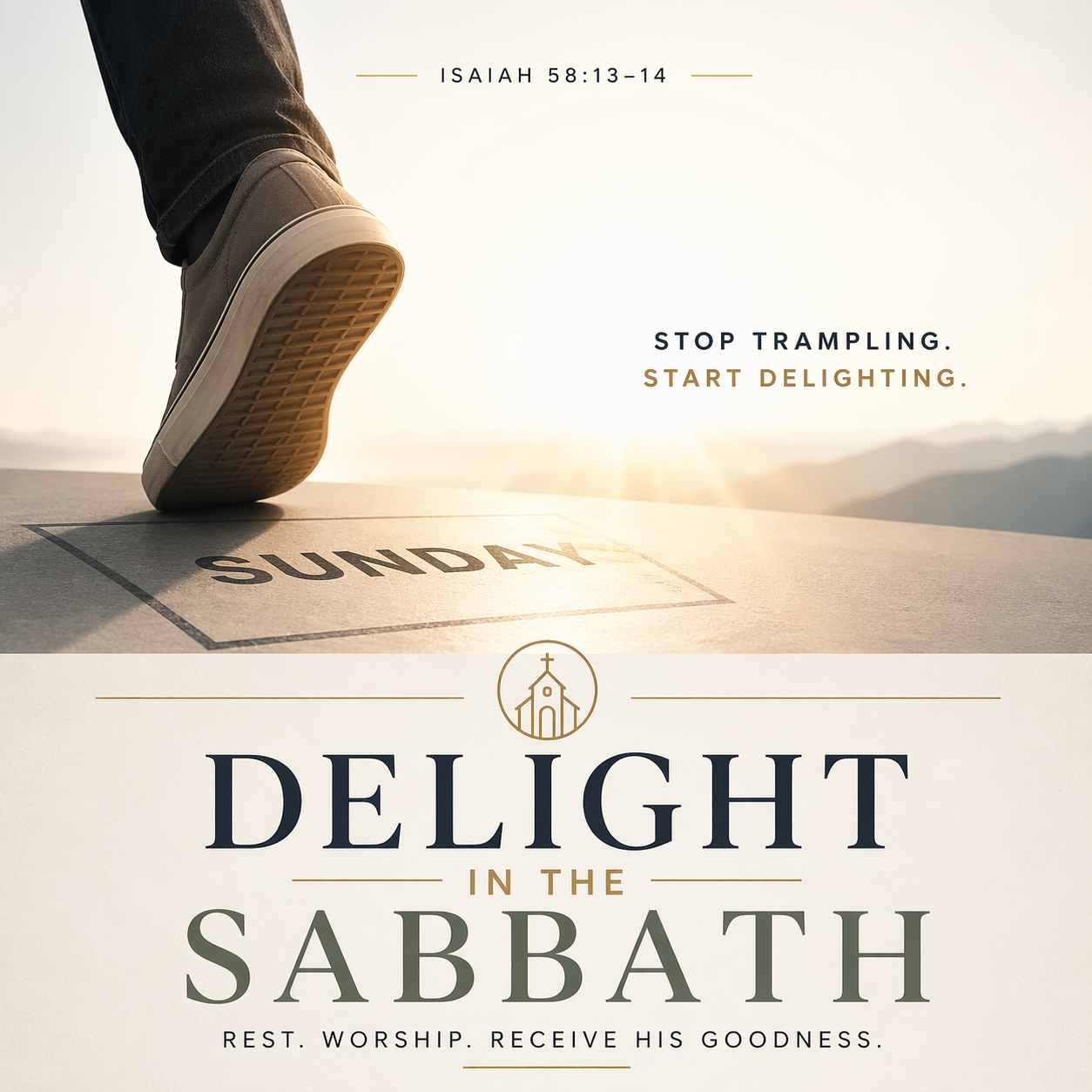
Isaiah 58:13-14 | "Delighting in the Sabbath"


Do you want to delight in God more?

In Isaiah 58:13–14, God makes an incredible promise: that His people will delight in Him, be lifted up in their spiritual lives, and be deeply satisfied in His provision. But this promise doesn’t stand alone—it comes with a path.

In this sermon, we explore what it means to truly honor the Lord’s Day. What does it look like to stop trampling it? How can we learn to delight in it rather than endure it? And how does setting apart one day in seven actually lead us into deeper joy in God?

Far from being a burden, the Sabbath is a gift—a weekly invitation to rest, worship, and communion with God. And ultimately, it points us to Jesus Christ, the Lord of the Sabbath, in whom true rest and lasting delight are found.

Outline:

  • The Promise: Delight, elevation, and satisfaction in God (Isaiah 58:14)

  • The Problem: Trampling the Lord’s Day

  • The Invitation: Delighting in the Lord’s Day

  • The Practice: Honoring the Lord’s Day in everyday life

Main Takeaway:
If you want to delight in God, learn to delight in the day He has set apart for Himself.

Application Questions:

  1. In what ways might you be treating the Lord’s Day like any other day?

  2. Do you view Sunday more as a burden or a gift—and why?

  3. What would it look like to structure your day around worship, rest, and fellowship?

  4. How does Jesus, the Lord of the Sabbath, reshape the way you think about rest?
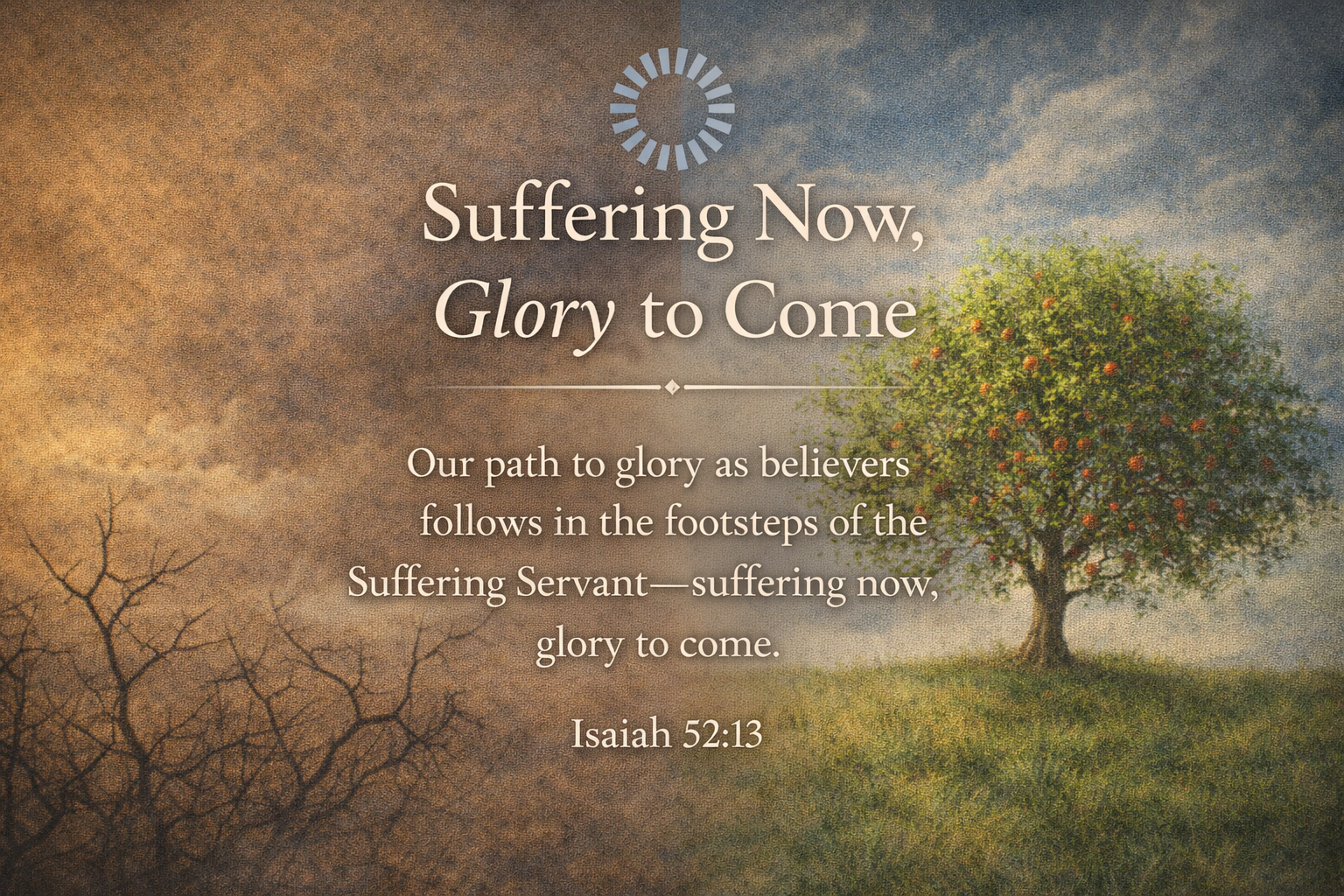
Isaiah 52:13-15 | Good Friday


What if your suffering isn’t meaningless—but part of God’s plan to prepare you for glory? In this sermon from Isaiah 52:13–15, we look to the Suffering Servant—Jesus Christ—to understand how to face suffering with hope, confidence, and even purpose.

Isaiah shows us both the heights of Christ’s exaltation and the depths of His suffering, reminding us that the path to glory always runs through the cross. As those united to Christ by faith, our lives follow the same pattern: suffering now, glory to come. And even more, God uses our suffering for redemptive purposes beyond what we can see.

If you are suffering—or preparing to suffer—this passage calls you to lift your eyes to Christ, who was marred for us, exalted for us, and now leads us through both suffering and glory.

In This Sermon, You’ll Discover:

  • Why remembering the end of the story changes how you endure suffering

  • How Christ’s suffering and exaltation shape the Christian life

  • Why suffering should not surprise the believer

  • How God uses suffering for redemptive purposes

  • Where to find real hope when life is hard

Sermon Outline:

1. Remember the Prize (Exaltation with Christ)

  • Christ was exalted—and we will share in His glory

  • Future glory gives strength for present suffering

2. Remember the Path (Suffering with Christ)

  • Christ was marred and rejected

  • The Christian life follows the same path: suffering before glory

3. Remember the Purpose (Redemption through Christ)

  • Christ’s suffering accomplished salvation

  • Our suffering, in union with Him, is not wasted

Main Takeaway:
Because we are united to Christ, our suffering is not meaningless—it is part of the path to glory and is used by God for redemptive purposes.

Questions for Reflection:

  • Am I surprised by suffering, or do I see it as part of following Christ?

  • Where am I tempted to believe my suffering is meaningless?

  • How does the promise of future glory shape the way I endure hardship today?

  • In what ways might God be using my suffering for His purposes?

  • How can I fix my eyes more fully on Christ in the midst of difficulty?